Mousam Way Land Trust
"Preserving special places for plants wildlife and the enjoyment of present and future generations"
Category: Out in the Woods
-
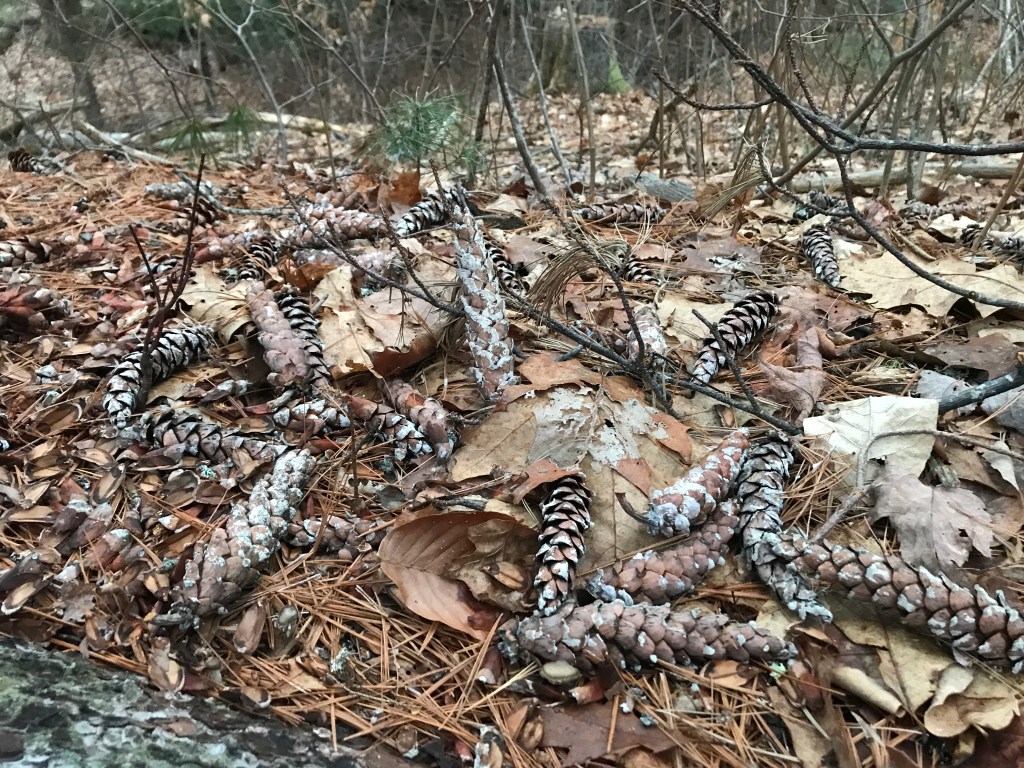
Mast Years for White Pine
Some years, pine trees release an abundance of cones; So why does this happen? Many studies have been done on this question, and are increasing in frequency: from about 400 in the 1980’s to almost 4,000 in the 2010’s! Why the increase!? Money’s one reason: pine nuts of certain species are tasty, so the agricultural
-
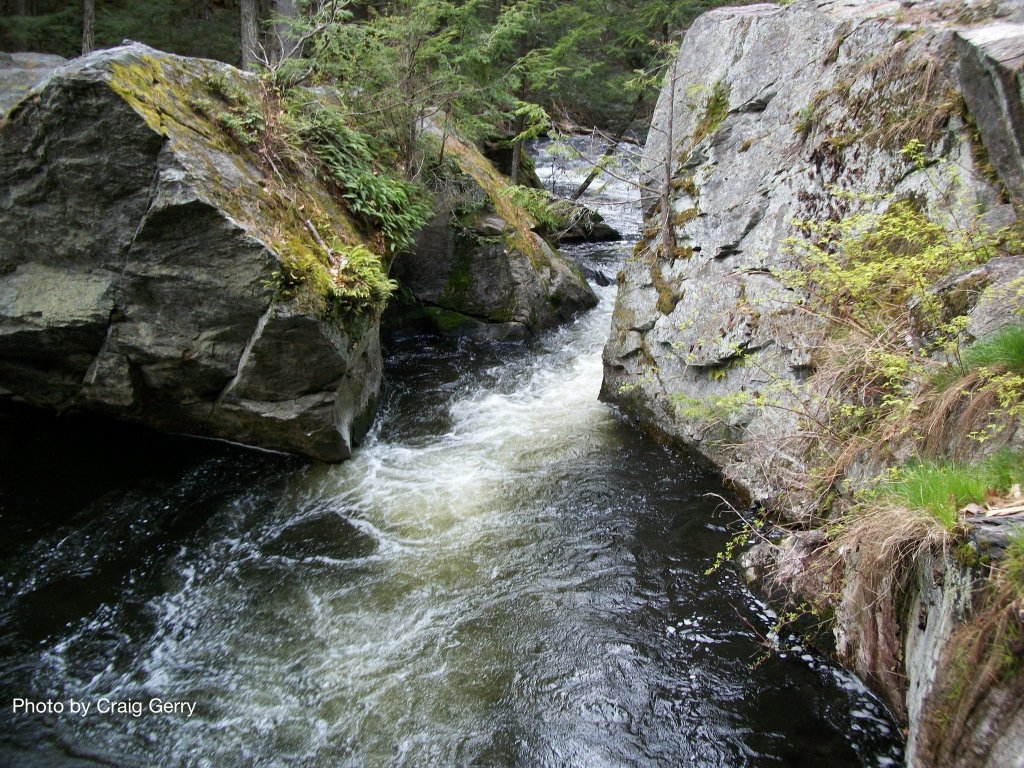
The Formation of Indian’s Last Leap
By Dr. Gordon “Bud” Johnston About 395 million years ago in the Silurian Period, alumina rich clay sediment was deposited in a shallow, closing ocean. In time the material became approximately 5,000 feet deep. At this point the heat and pressure from the overlying material converted it to slate. About 15 million years later the
-
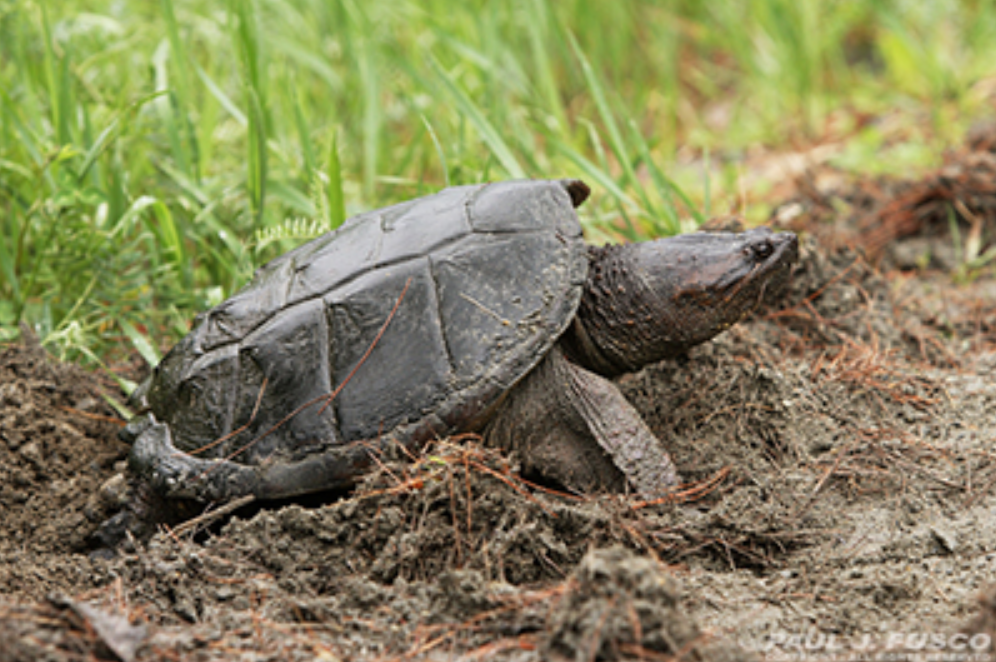
Common Snapping Turtle
Ranging from southeastern Canada to northeastern South America, the common snapping turtle is one four species of snapping turtles, all of witch live only in the Americas. In Canada, anthropogenic activities have resulted in their listed as a Species of Special Concern under the Ontario Endangered Species Act, 2007; and listed as Special Concern under
-
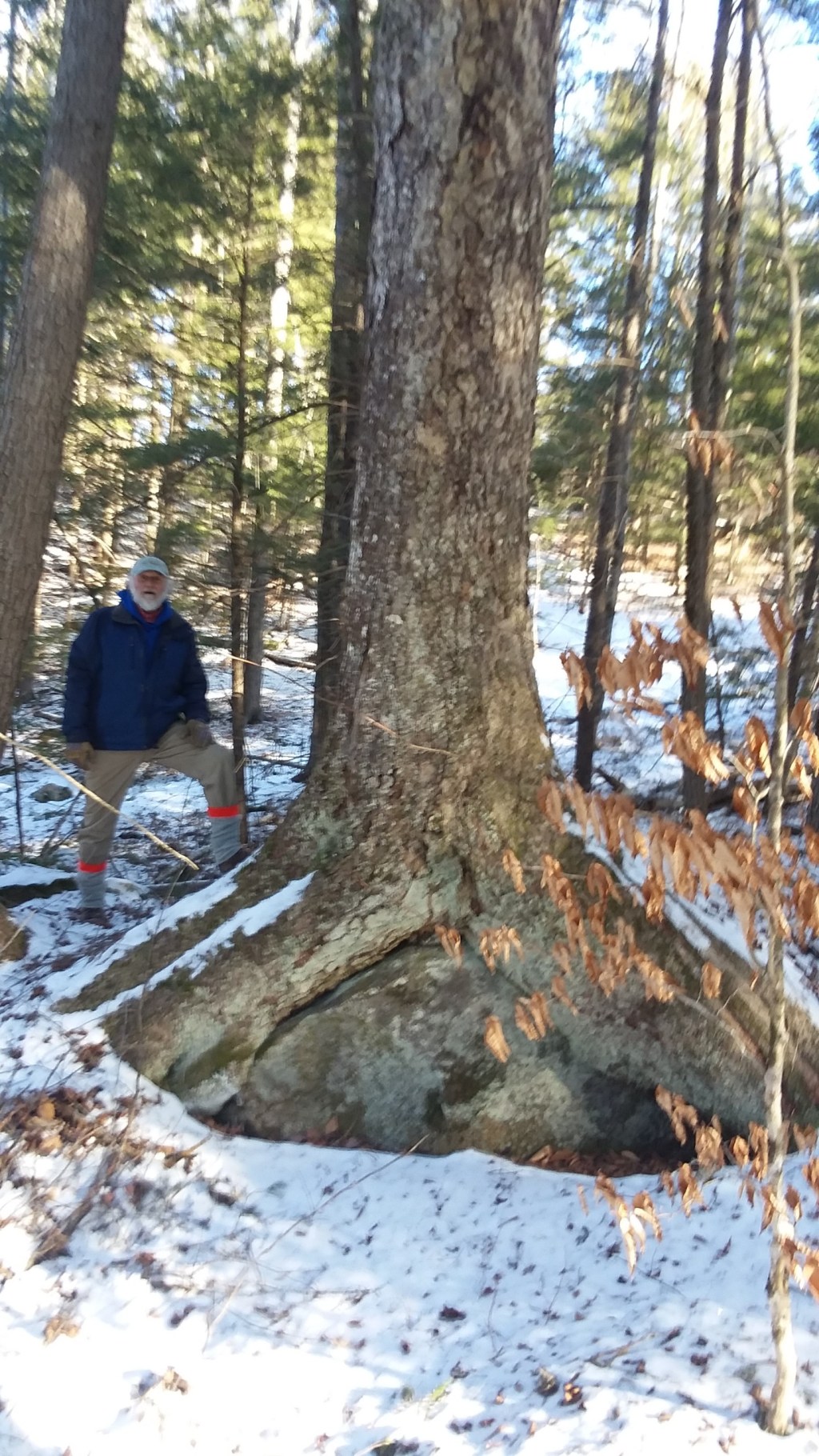
A Tree Grows in Sanford
Another of many wonders happening at the 3 Rivers Land Trust, Mousam Way Land Trust, and Sanford Trails collaborative land conservation project. 13,000 or so years ago, melting glaciers dropped large rocks called “erratics” onto the ground. Lichen, a 1/2 plant 1/2 animal, symbiotic thing, formed from algae and fungal stuff and attached to the
-
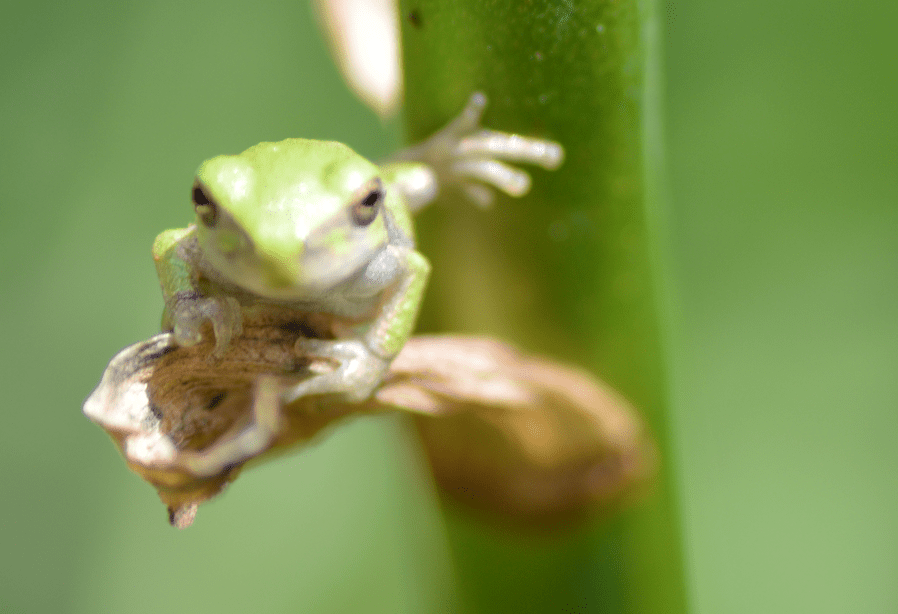
Why Did the Amphibian Cross the Road?
About 370 million years ago, the first animals crawled out of the oceans to live on land. Known as amphibians (“two-lives”: amphi ‘both’ + bios ‘life’), they still require water for part of their life cycle. Beginning their life in water with gills and tails, they later develop lungs and legs for their life on
-
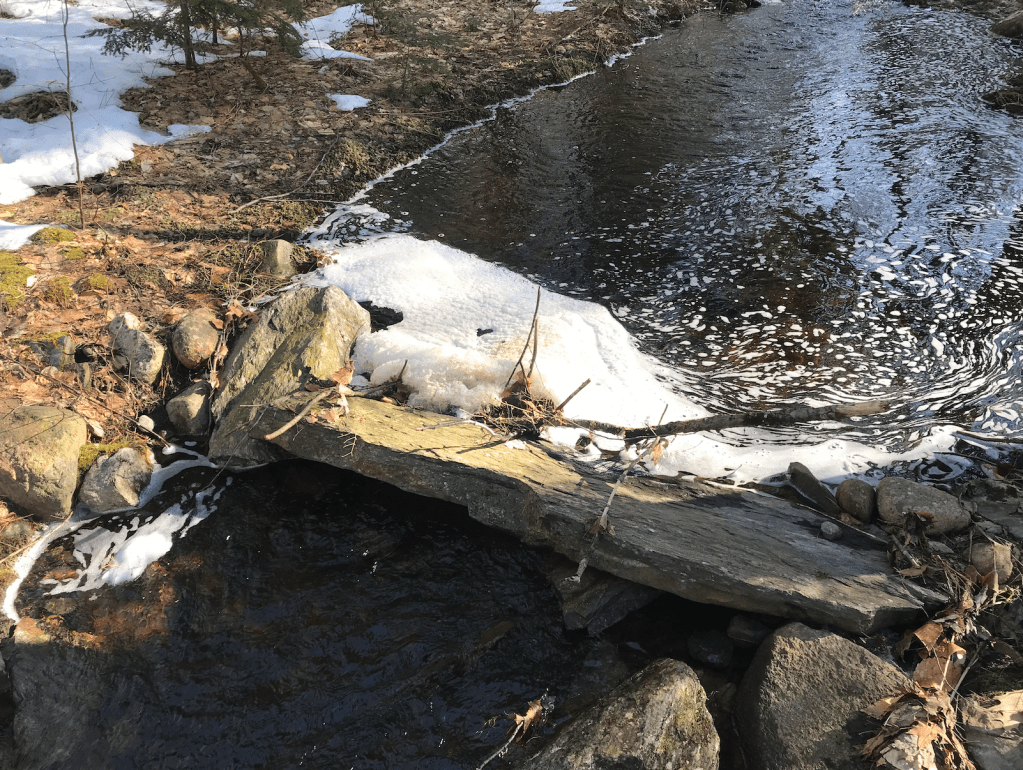
Stream Foam
Walk along a woodland stream and the occasional sight of a glob of foamy stuff comes into view. So where does this sudsy-looking stuff come from? Stream foam is most common during periods of heavy rain and snow melt. Surface water mixes with topsoil rich in organic matter like leaves and twigs. The organic matter
-
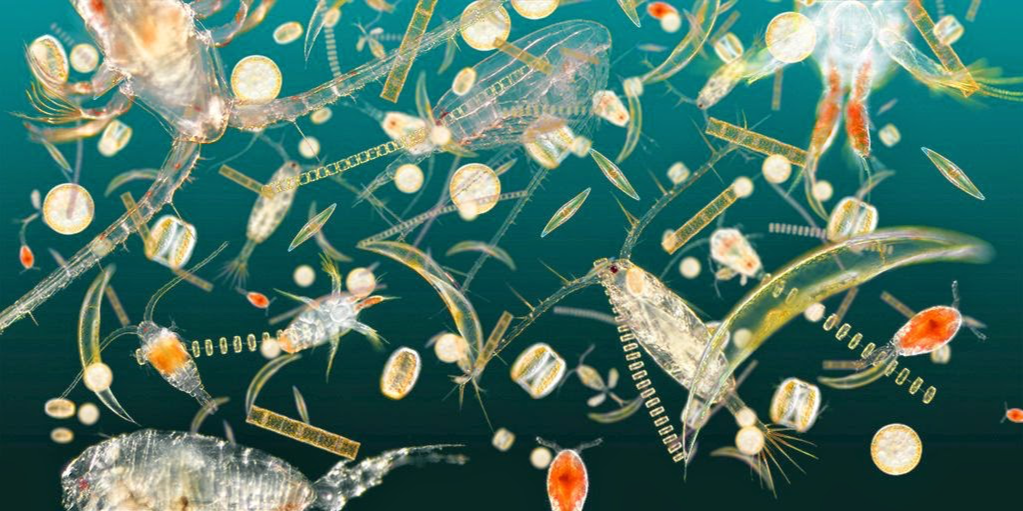
Phytoplankton: The Invisible Forest
Recent news reports regarding the ongoing fires in the Amazon Rain Forest have been a bit inaccurate about the oxygen generated by this wondrous landscape. The title “lungs of the Earth”—is a gross overestimate. As several scientists have pointed out recently, the Amazon’s net contribution to the oxygen we breathe likely hovers around
-
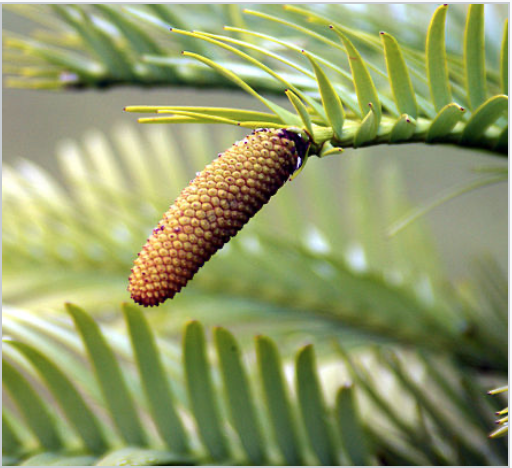
Prehistoric trees saved from Australia’s fires
By Sara Spary, CNN January 16, 2020 An ancient grove of pine trees whose ancestors are thought to have stood tall among dinosaurs some 200 million years ago has been saved from Australian bushfires in a covert firefighting mission. Firefighters in New South Wales (NSW) were enlisted by the local government to save the prehistoric
-

Global Warming is Creating Ice in Greenland!
Greenland ice is actually building. Although this seems improbable due to Earth’s increasing temperature, it’s true…AND…it’s increasing sea water level rise!! Here’s how. Glaciers form where snow accumulates and, under pressure from the weight of more accumulating snow, forms ice. This usually happens on large, depression-shaped landforms (similar to those which hold lake water) which
-

BLUE CARBON and SEAGRASS
“Blue Carbon” is the scientifically recognized term defining carbon stored by coastal ecological systems. These systems of seagrasses, mangroves, salt marshes, and seaweed, cover less than 0.5% of the seabed, are equal in size to about 0.05% of the biomass on land, and are responsible for over 50% of all carbon storage in ocean sediment.
 Mousam Way Land Trust