Mousam Way Land Trust
"Preserving special places for plants wildlife and the enjoyment of present and future generations"
Category: Out in the Woods
-
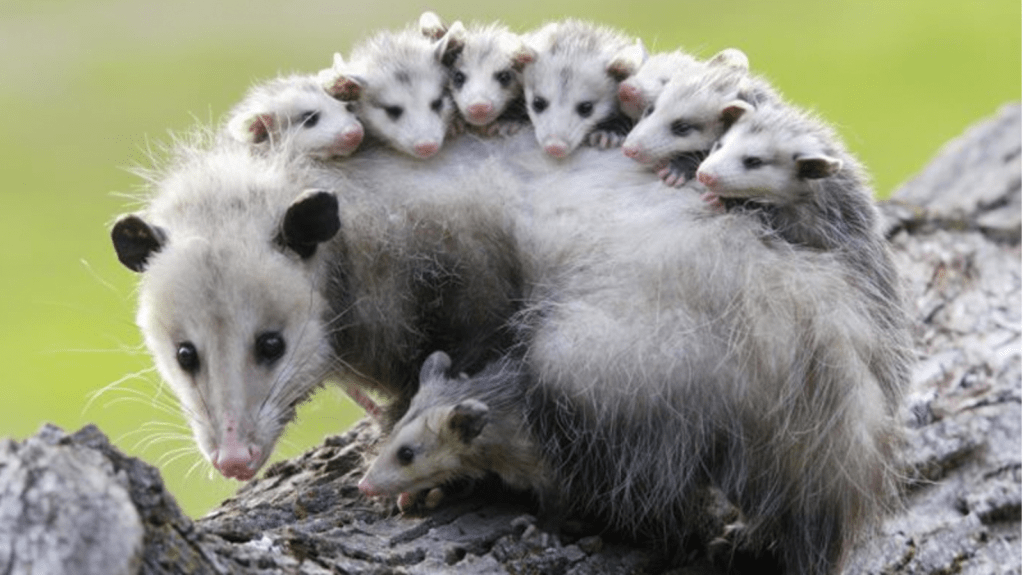
The Possum
The Isthmus of Panama formed about 3 million years ago. Colliding underwater continental plates created pressure, forming volcanoes that surfaced, and sand, silt, and continental debris filled in the spaces. Atlantic and Pacific waters became isolated, and the Gulf Stream Current was born…its Caribbean waters now flowing northward warming Eastern Europe. The newly formed land
-

Woodland Diversity Factors: Light, Species, Habitat, Age
Diversity Importance Woodlands provide trees for lumber, fuel, carbon dioxide scrubbing and carbon sequestering, and produce oxygen; the rate of climate change and its effects are reduced, soils are stabilized, water is filtered, and folks just plain feel better walking around in woodlands. All these functions and benefits are increased within a more biologically diverse
-
To mow or to mow less: a “lazy lawnmower” approach to providing bee habitat.
From: https://www.nrs.fs.fed.us/pubs/55816 Green spaces embedded within the urban matrix, particularly residential yards, could mitigate negative aspects of urban development and provide pollinator habitat. Lawns represent a dominant green space, and their management consists of frequent mowing to inhibit the growth of ostensibly “weedy” species (e.g., dandelions and clover). Since widespread population declines of bees and
-

The Turkey
First domesticated in Mexico about 3000 years ago by the pre-Aztecs, Turkey’s were used not so much for meat, but for their feathers…which were used during their rituals and ceremonies, and for making blankets and robes. They were again domesticated about 2300 years ago by a different people…the Native American Ancestral Pueblos, also known as
-

Light Pollution
On the first night of an Outward Bound camping trip, a teenager was found staring up to the skies…with tearful eyes. She had never before seen the stars and hadn’t realized the awesome beauty above her all those years. She was from an urban city environment where artificial lighting, buildings, and indoor living was the
-
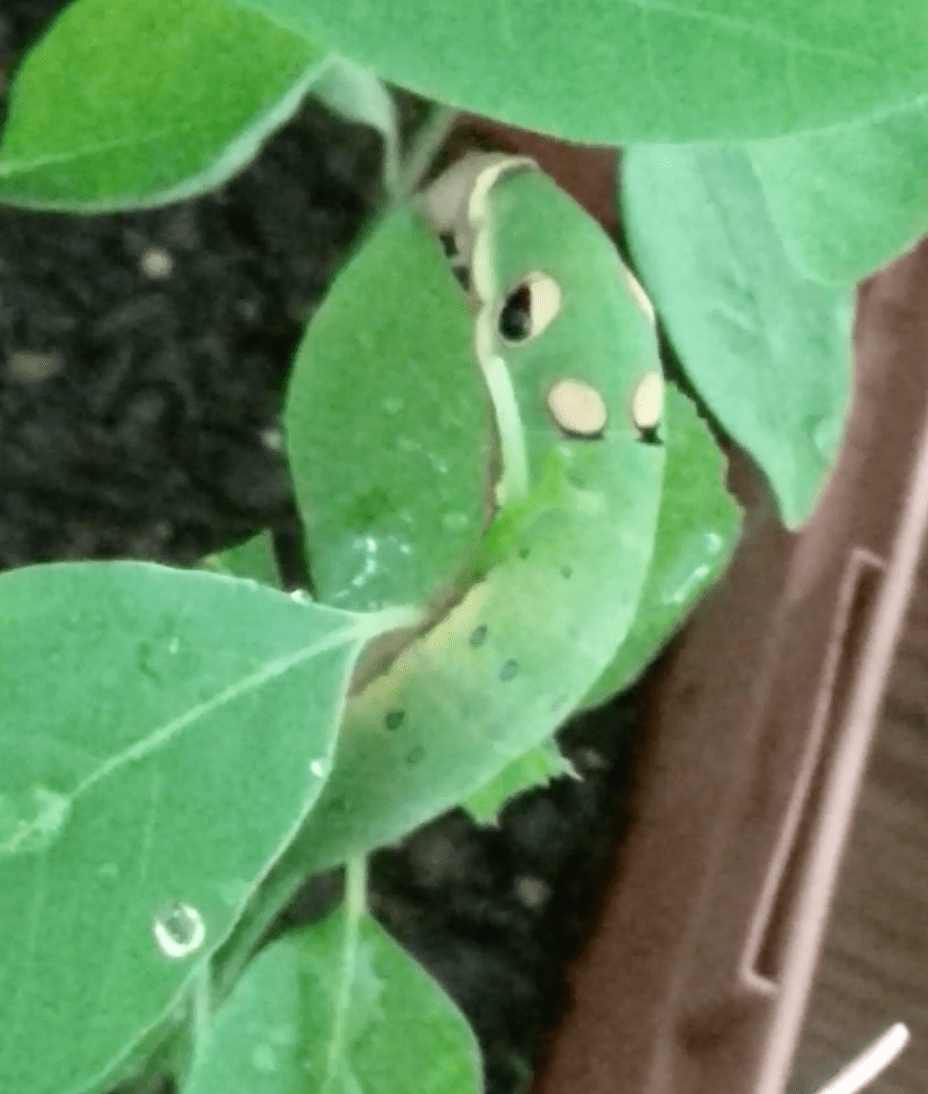
Spicebush Swallowtail Butterfly
Part of most land trusts advocacies are efforts to secure habitat for the local creatures, especially the rare species like the spicebush plant upon which the spicebush swallowtail butterfly lays its eggs, and which also provides food for their caterpillars. Here, we see something that hasn’t been seen by too many eyes. This is the
-
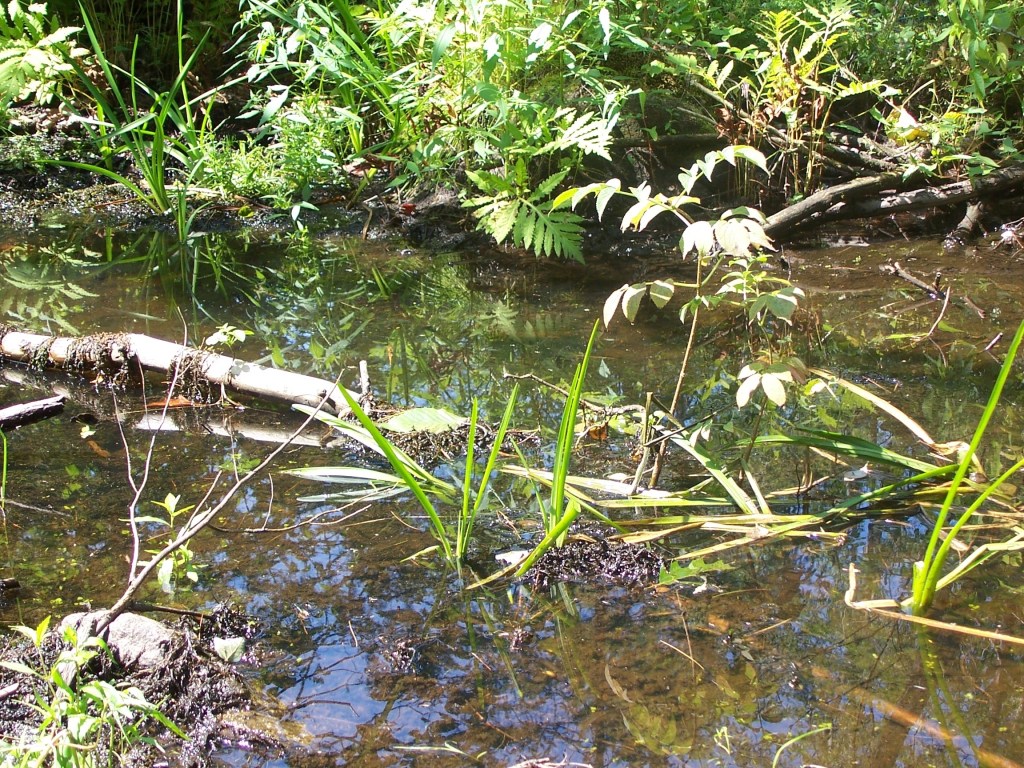
Vernal Pools
During the summer months, a keen eye may be needed to recognize vernal pool areas — life-generating and legally-protected areas. Often associated with forested wetlands, vernal pools (also called “spring pools”) are found on many of the Trust’s lands. These pools are typically shallow depressions that hold water for only part of the year. Described
-
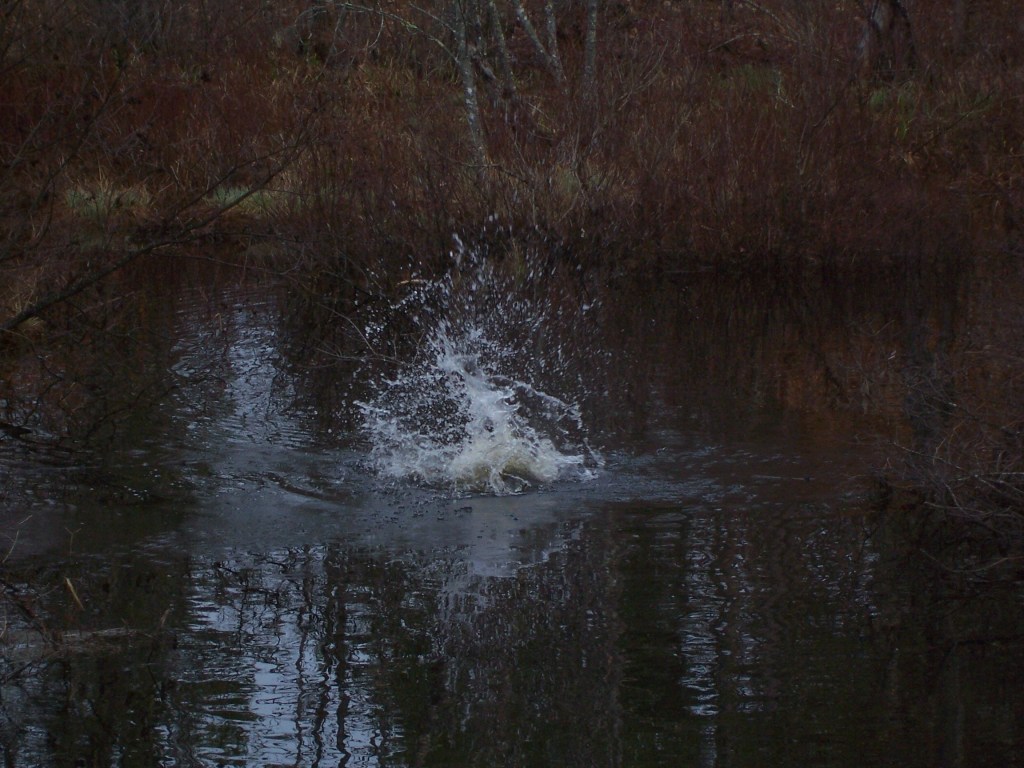
The Beaver
The Beaver have returned after a long hiatus!! The guy above is telling his friends that someone’s a bit too close! At 3-4 feet long (tail included) and 40-60 pounds, the Beaver is the largest rodent in North America. Once among the most widely distributed mammals in North America, beavers were eliminated from much of
 Mousam Way Land Trust